The missing piece of building with AI
I was getting better at building with AI, but design remained frustrating. Then a new feedback loop between Claude Design and Laravel made it click.
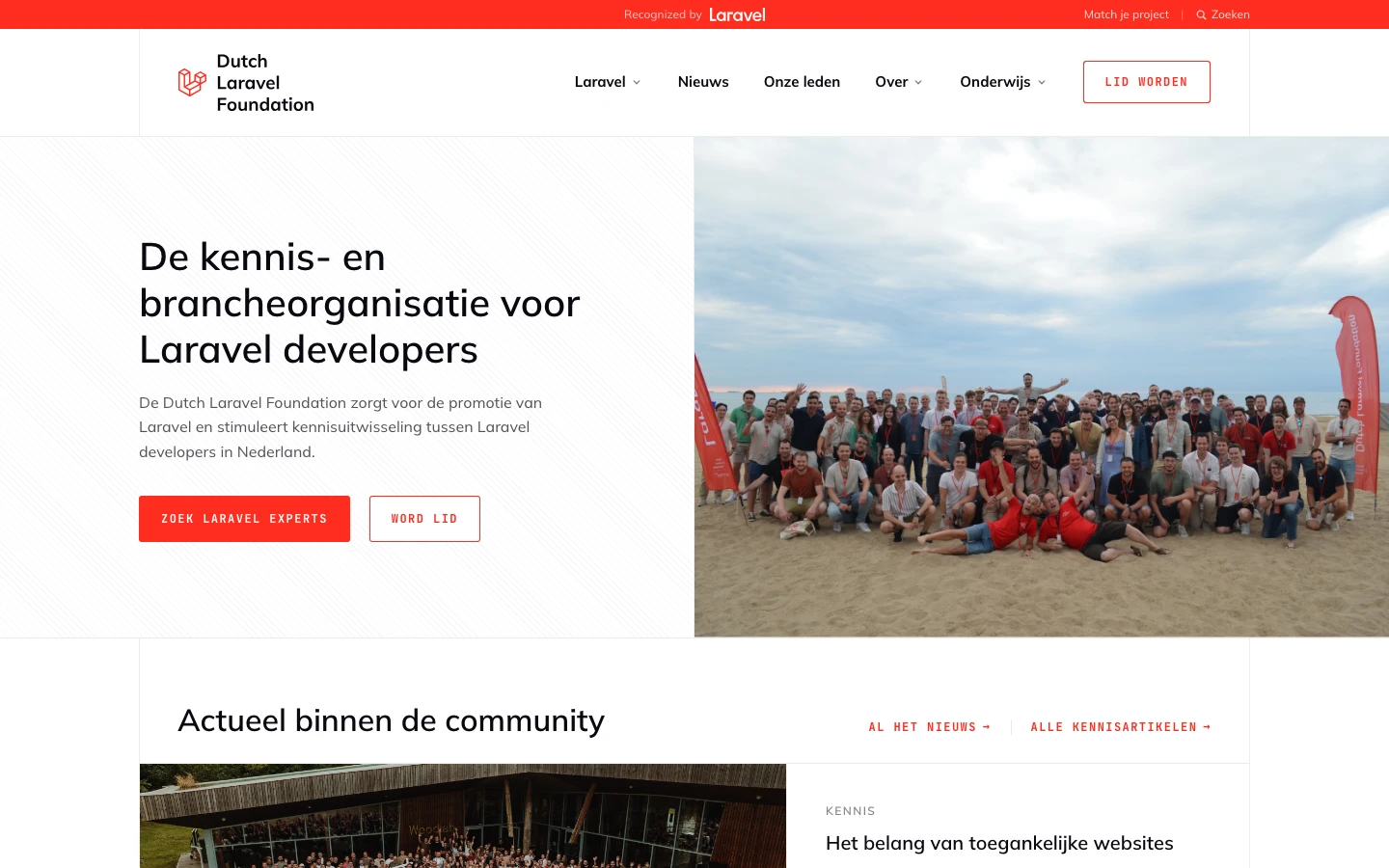
Last weekend, something finally clicked. After months of getting decent code but generic UI from AI, I redesigned a website in about an hour. It was responsive, clickable and good enough to show someone else. Over the same weekend I worked on two small applications and connected one to Home Assistant, which I had never used before. The design part was finally starting to work too.
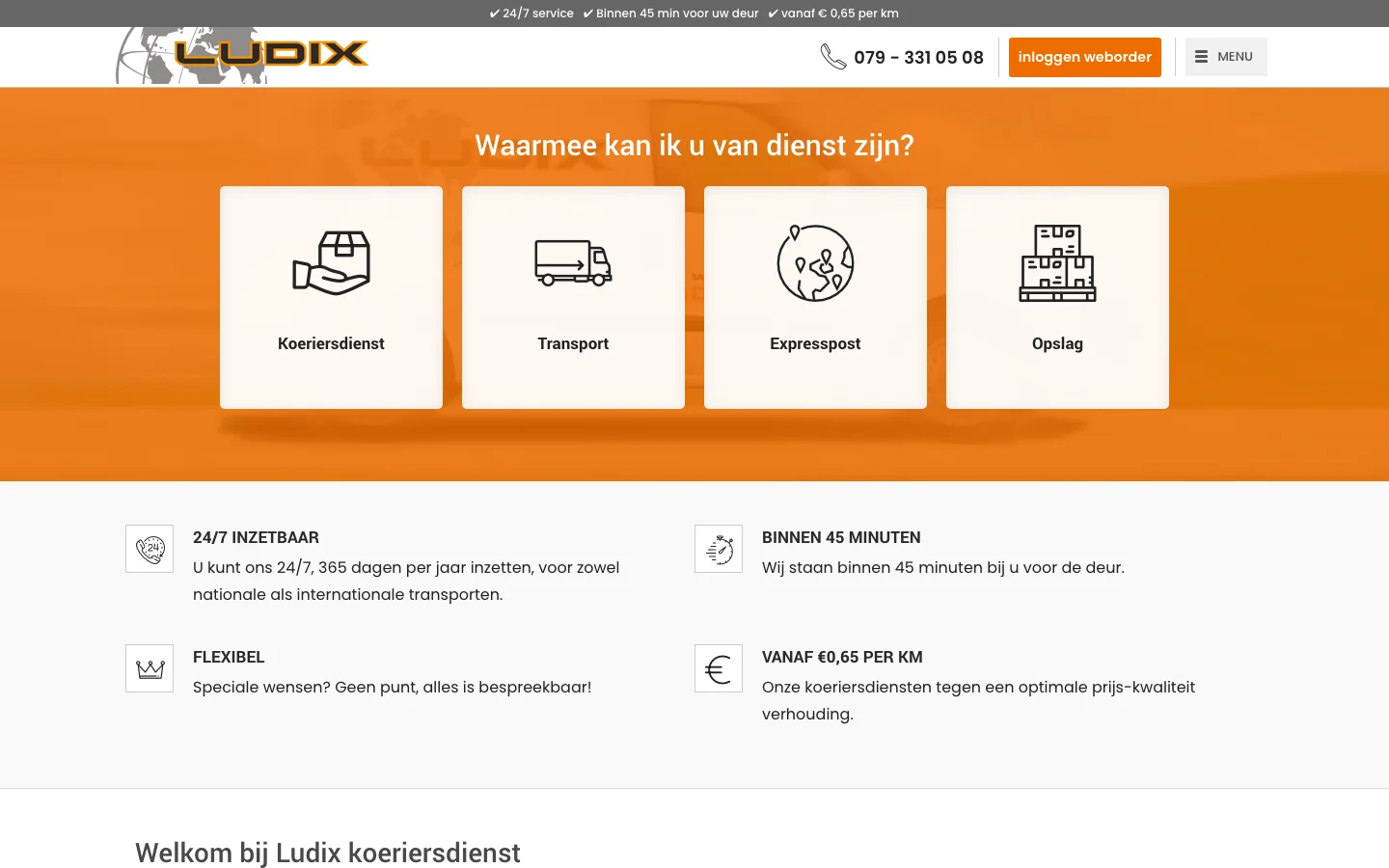
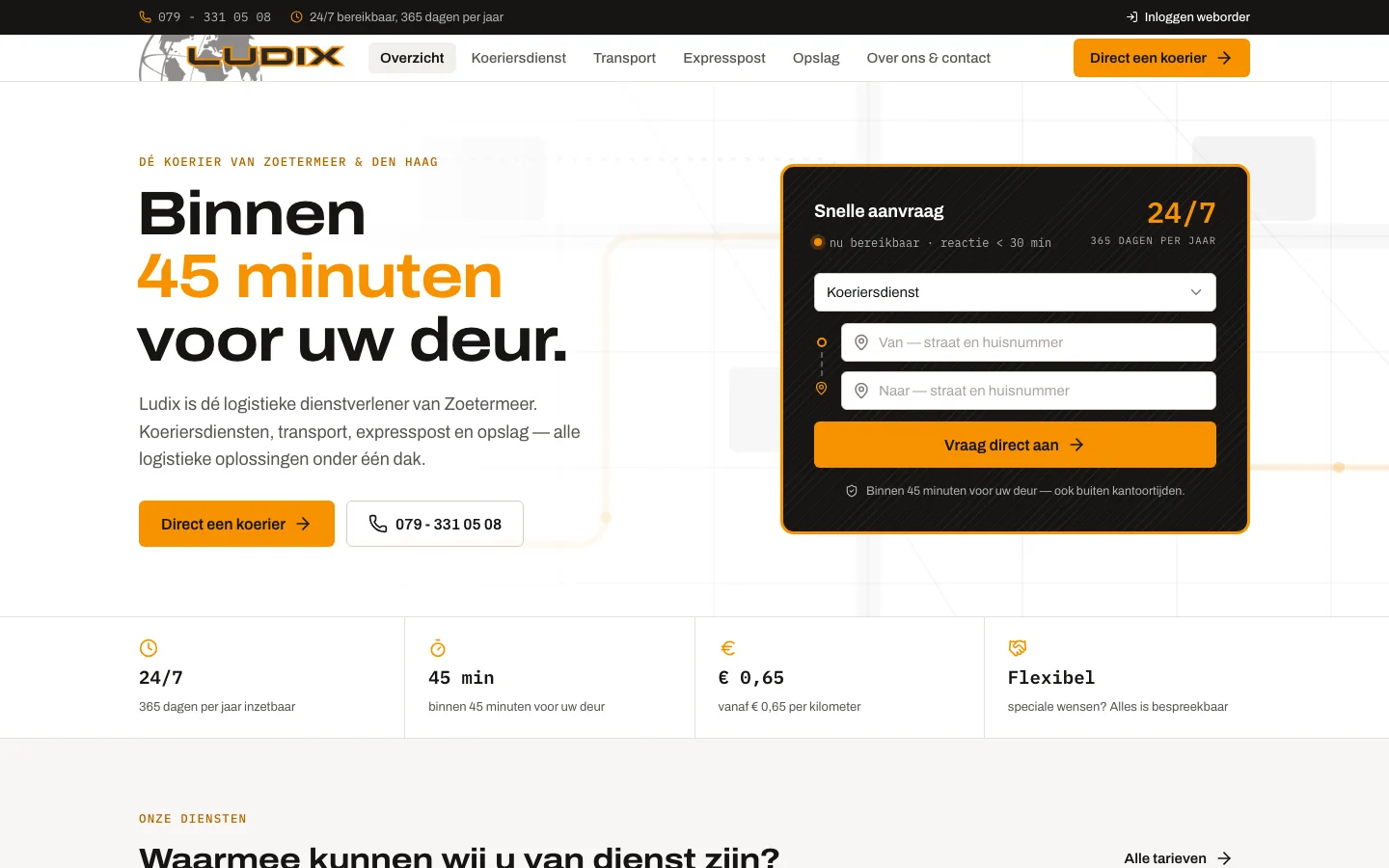
I had been experimenting with AI since the start of the year, building plenty and abandoning plenty. The code improved as I learned to provide better context and work in smaller steps. Design remained the bottleneck: I could get an application running, but not arrive at a visual direction I wanted to keep.
At the end of November I took a short break from Oh Dear and spent most of it experimenting with AI. In January I returned briefly and used AI heavily to finish dark mode and responsive support in the mature application. Once Oh Dear was pretty much feature-complete and the UI workload quieted down, I kept experimenting.
The missing half
Coding agents were useful once I knew what I wanted. Starting a new page was harder. Their designs were often reasonable but generic, and describing every decision about hierarchy, spacing and typography in text was slow. I needed a stronger visual starting point.
Claude Design changed that. I gave it a small brief, discussed the style and, after a few rounds, had a direction I could work with. That is the useful part: it gives me something concrete to react to, and my experience with interfaces helps me guide it quickly.
It also produces responsive, clickable designs using React. That fits the Laravel starter kit I use, which combines React with Inertia. ChatGPT or Grok can inspect the real codebase and translate the design into the application without rebuilding it from a screenshot.
The loop I use now
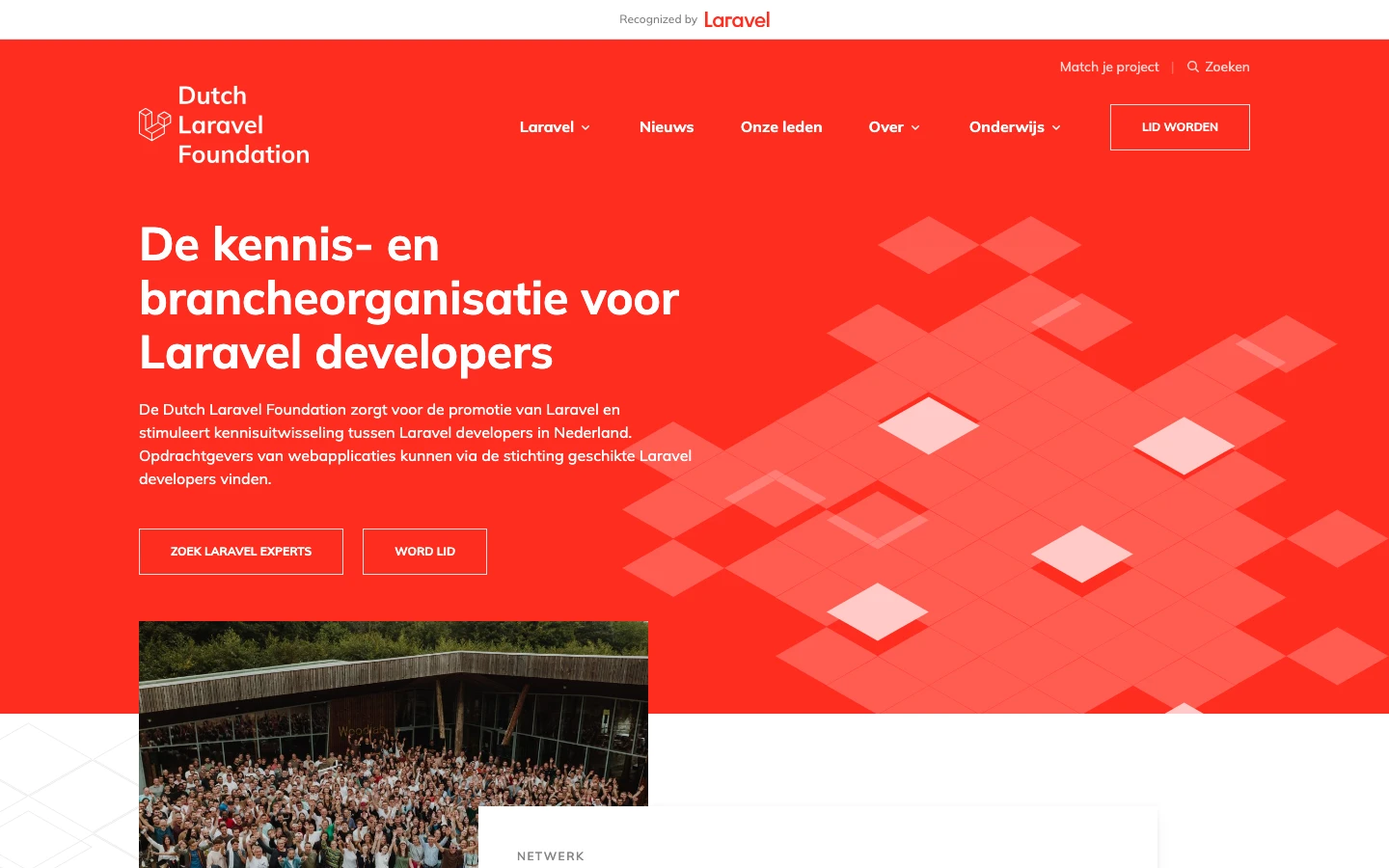
Start with a small brief. When modernising something, I use the existing website as the prompt. It already contains the content, structure and clues about the business.
Guide the first attempt. I adjust hierarchy, layout, typography and how the product is explained until the direction feels useful.
Move into the real application. An implementation agent translates the React design into the existing Laravel codebase and its components.
Feed reality back into the design. Real data, existing patterns and working flows reveal what the prototype still needs. I refine the implementation or return to Claude Design for the next page.
Designing, implementing and refining are no longer separate phases with a difficult handover. They have become one loop.
What this unlocked
In one weekend I redesigned a website, worked on Mealou to plan meals and built Hauzer to track household items and utilities. I also connected Hauzer to Home Assistant without any previous experience with it.
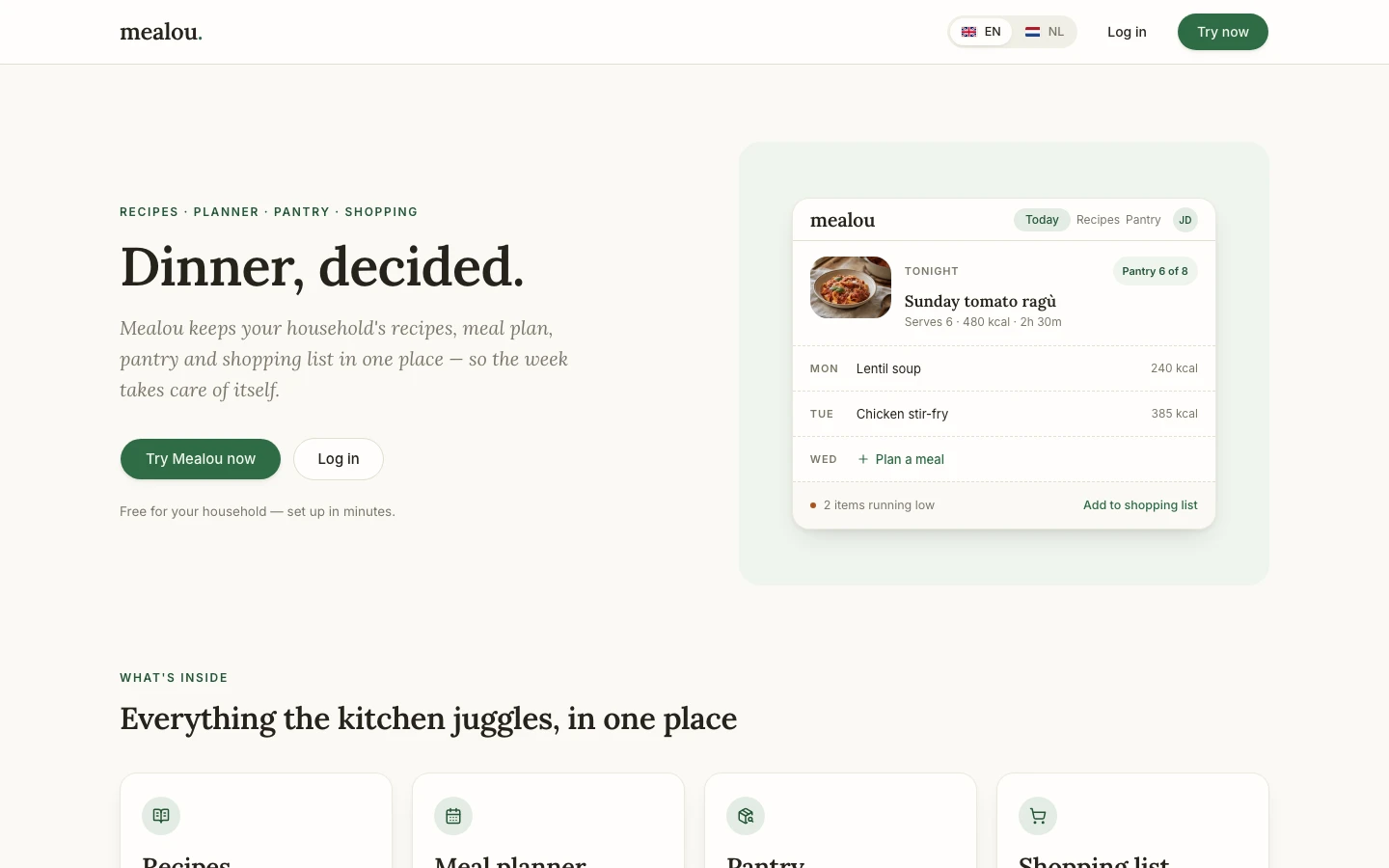
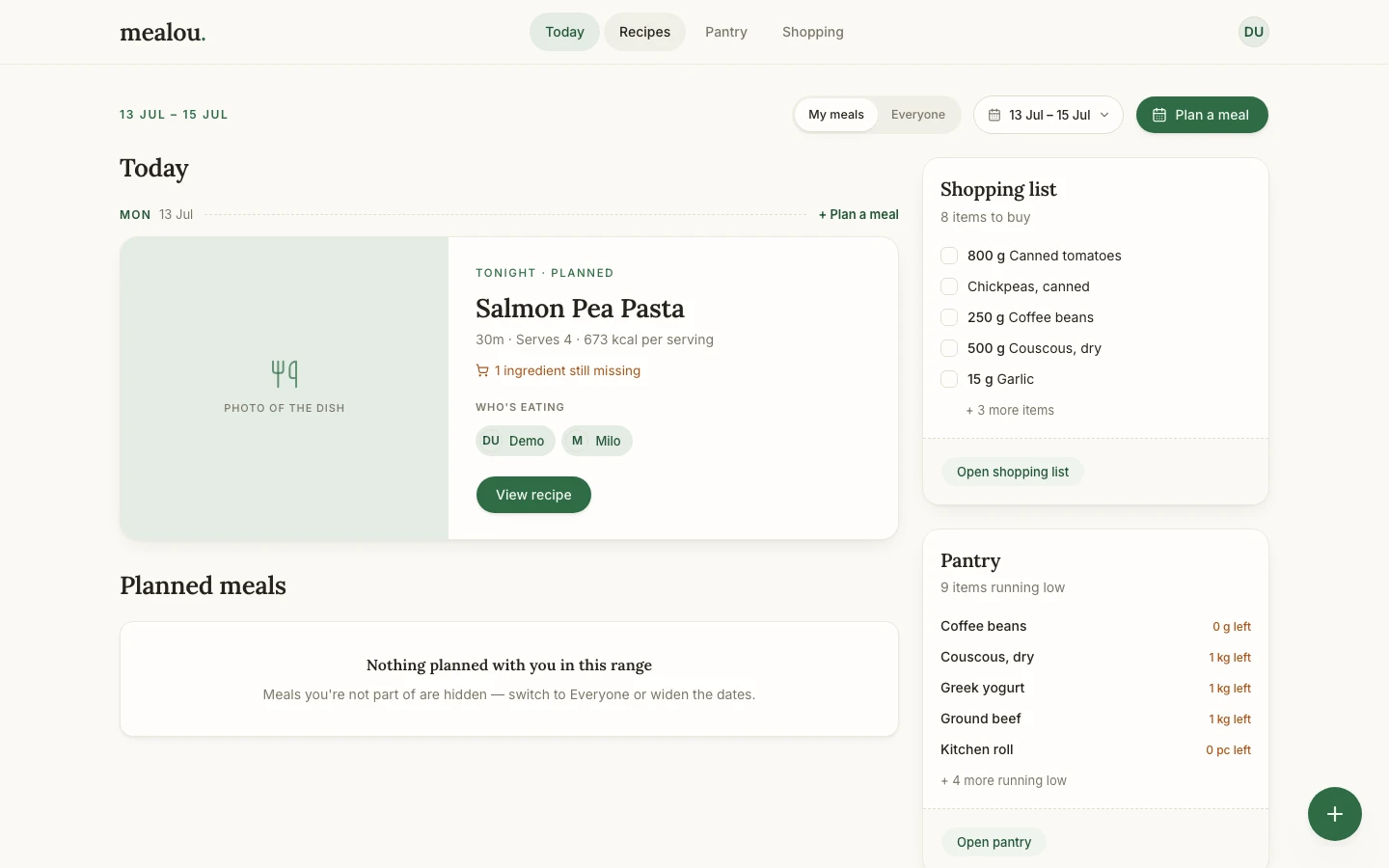
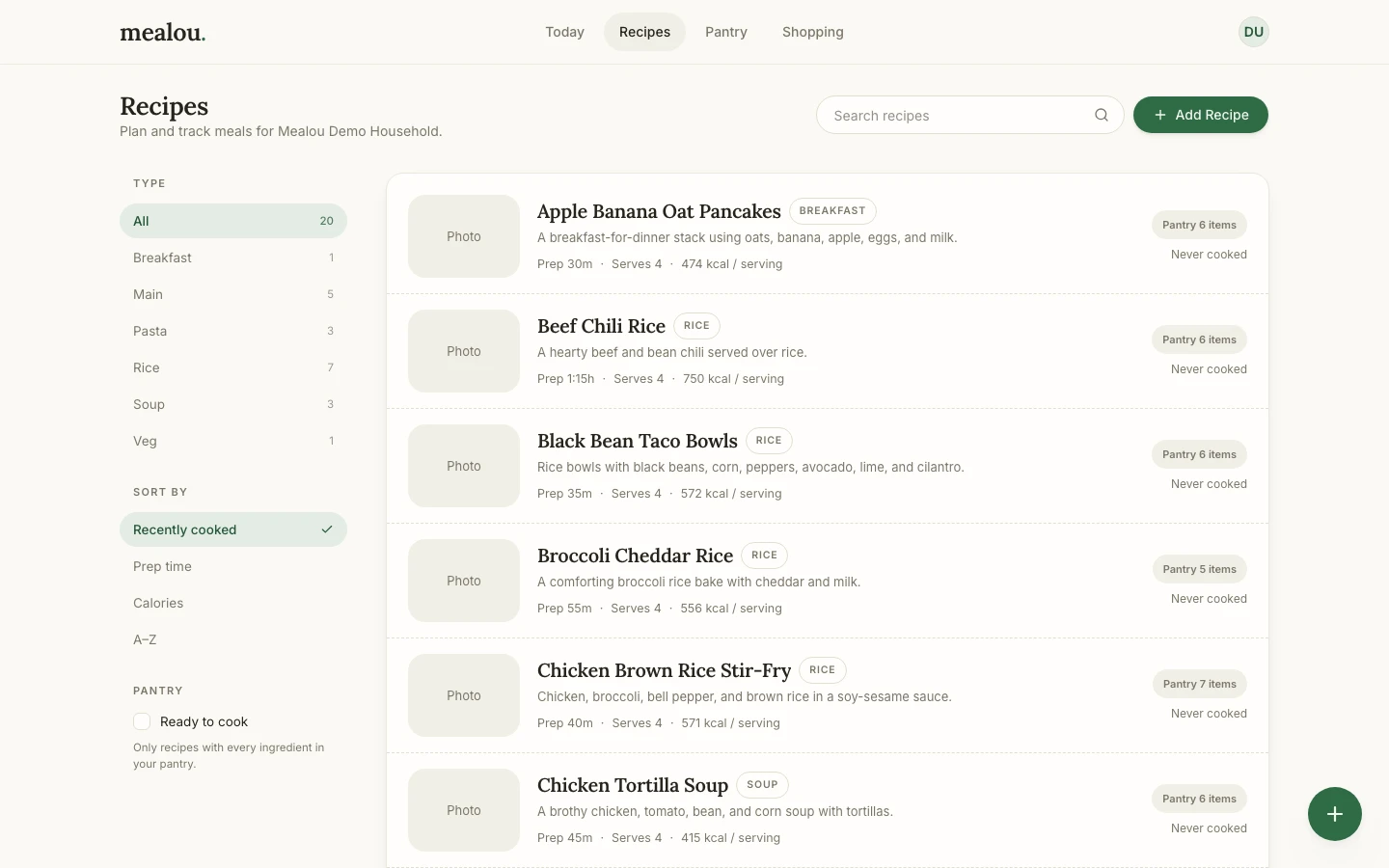
Mealou
Meal planning, recipes, pantry stock and shopping brought into one calm household workflow.
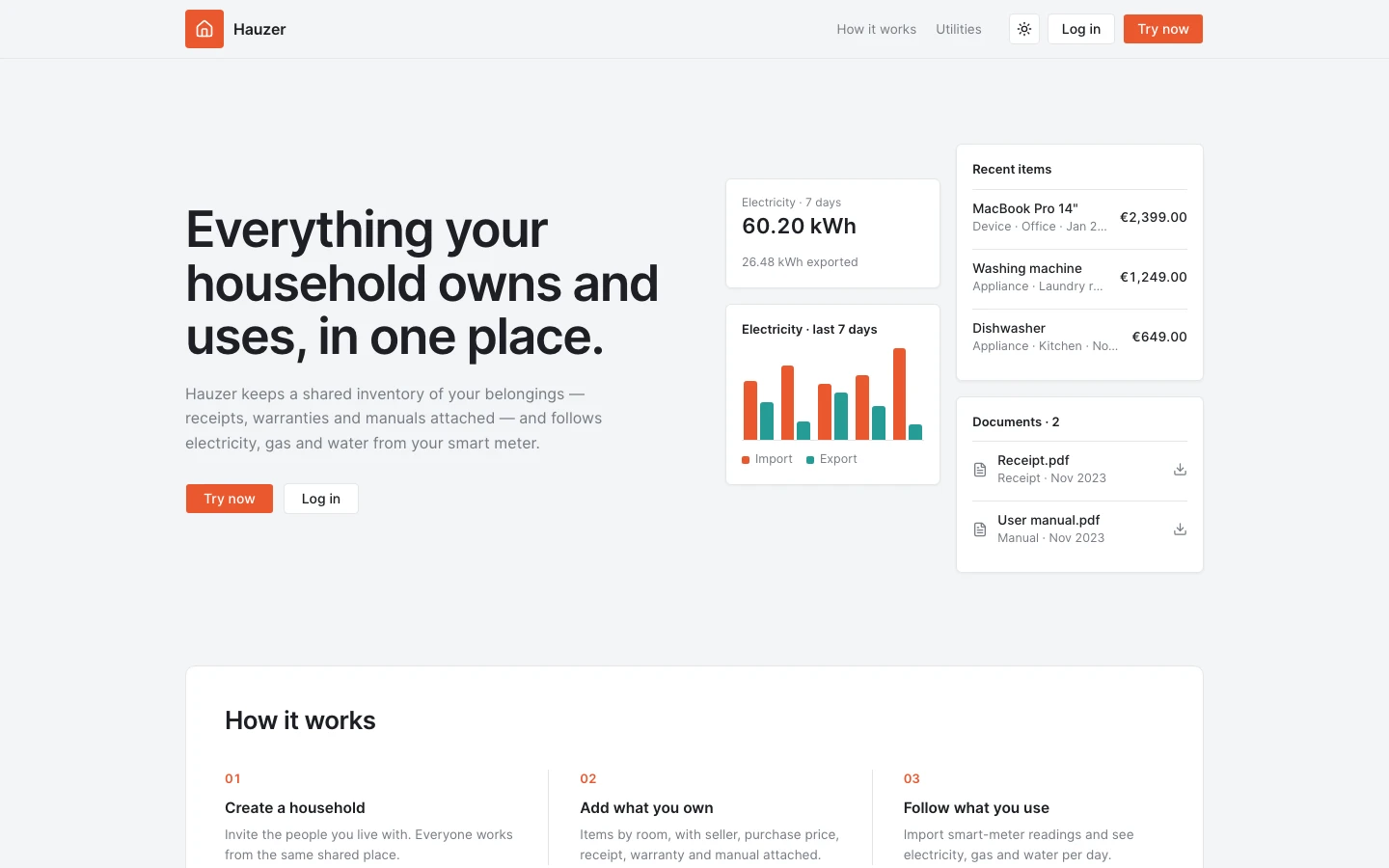
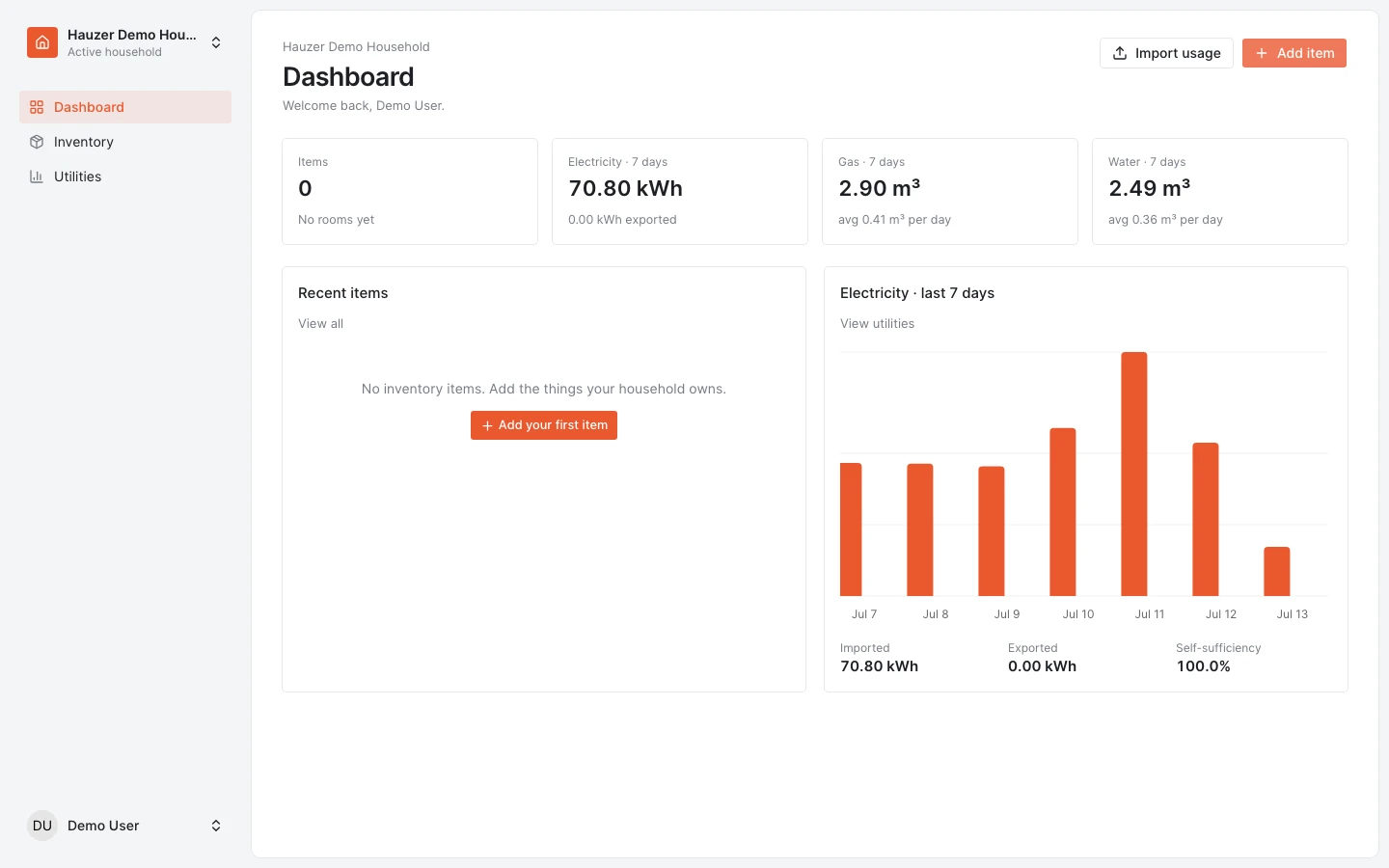
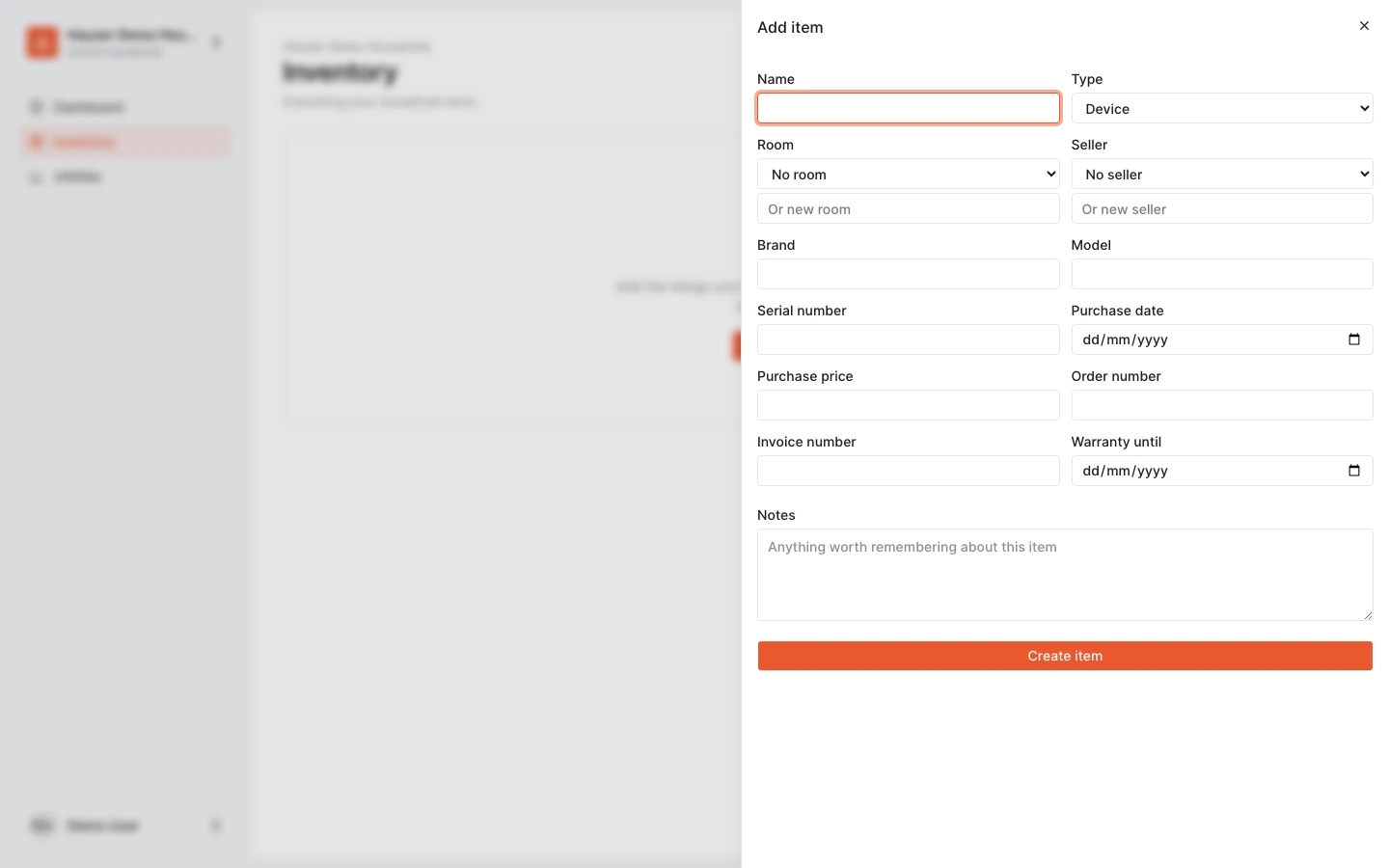
Hauzer
Household inventory, documents and smart-meter utilities combined in one application.
These are not finished products after one prompt. They still need decisions, testing and refinement. The difference is that I can reach a useful version quickly enough to use it, see what is missing and decide what comes next.
I can now move between four or five projects and make substantial progress on each. That amount of switching used to feel scattered; now it is energising.
Where this might lead
I can finally visualise my own ideas at roughly the same speed as I can start building them. That removes a hurdle from the small products and personal problems I have wanted to tackle.
This could also become a useful service. Many small businesses have a website with the right information but a dated design. The existing site gives Claude Design enough context to produce a modern, responsive and clickable proposal. That is much easier to discuss with a potential customer than a long explanation of what their website could become.
AI has not made my previous experience less relevant. It helps me recognise what is weak in the first result and guide it towards something better. I am still early, and only three or four results so far feel genuinely good, but the pieces finally feel connected. I knew how to build with AI. What I was missing was a way to design with it as well.